
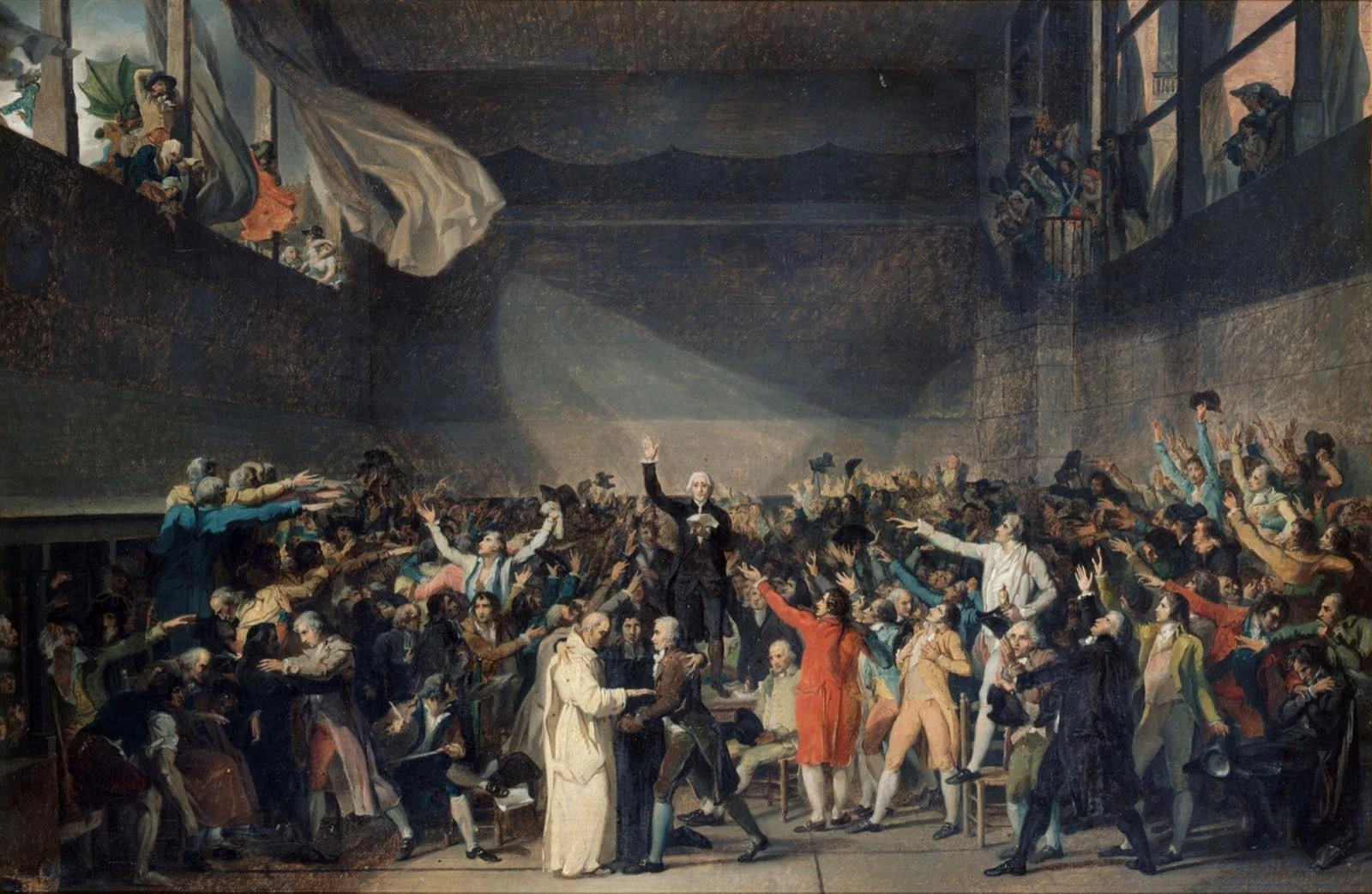
I discovered the French Revolution with curiosity, on my own humble level, through several works, including The French Revolution Told to My Granddaughter by historian Jean-Clément Martin, Pierre Schoeller’s film One Nation, One King, as well as various conferences and debates with historians.
As I explored this period, I felt that I was beginning to understand far more than a major historical event.
I saw in it an immense struggle for liberty, justice, representation, and human dignity.
I also came to understand how deeply this legacy continues to shape French identity.
I do not, of course, claim to be a historian.
I simply want to share, with humility, what this period helped me understand about humanity, power, ideals, their possible excesses… and, in some ways, what it can mean to be French.
Before the Revolution: A Deeply Unequal Society
In 1788, France was divided into three estates: the nobility, the clergy, and the Third Estate. This was not merely a social classification. It was a system that determined rights, power, and opportunity.
One was not simply born into a family, but into a social condition, and that condition determined almost everything: what one could become, what one could hope for, and what one would be forced to accept.
We can understand here a fundamental truth: when a society organizes inequality over time, it creates the conditions for profound tension.
The Nobility: Wealth, Privilege, and Domination
The nobility represented barely 1 to 2% of the population. Yet it owned a large share of the kingdom’s land and occupied its most prestigious positions.
A noble could live without directly working the land. Wealth came from possessions and from the labor of peasants who worked those lands. Nobles also benefited from specific privileges: peasants were often required to pay to use mills, ovens, or wine presses controlled by their lord.
This wealth was accompanied by major legal advantages, meaning that in times of conflict or judgment, not everyone was treated equally; depending on one’s birth, one did not face the same legal system.
This order was not built on merit, but on birth.
Through this reality, we see how injustice becomes particularly explosive when it is embedded directly into the structure of society itself.
The Clergy: Influence and Power Over Minds
The clergy was small in number, but central to society. It shaped beliefs, education, and much of social life.
Its power was unique. It did not rely solely on wealth or force, but on influence over minds. It helped define what was acceptable, what was just, and what deserved obedience.
In such a context, thinking differently could become dangerous.
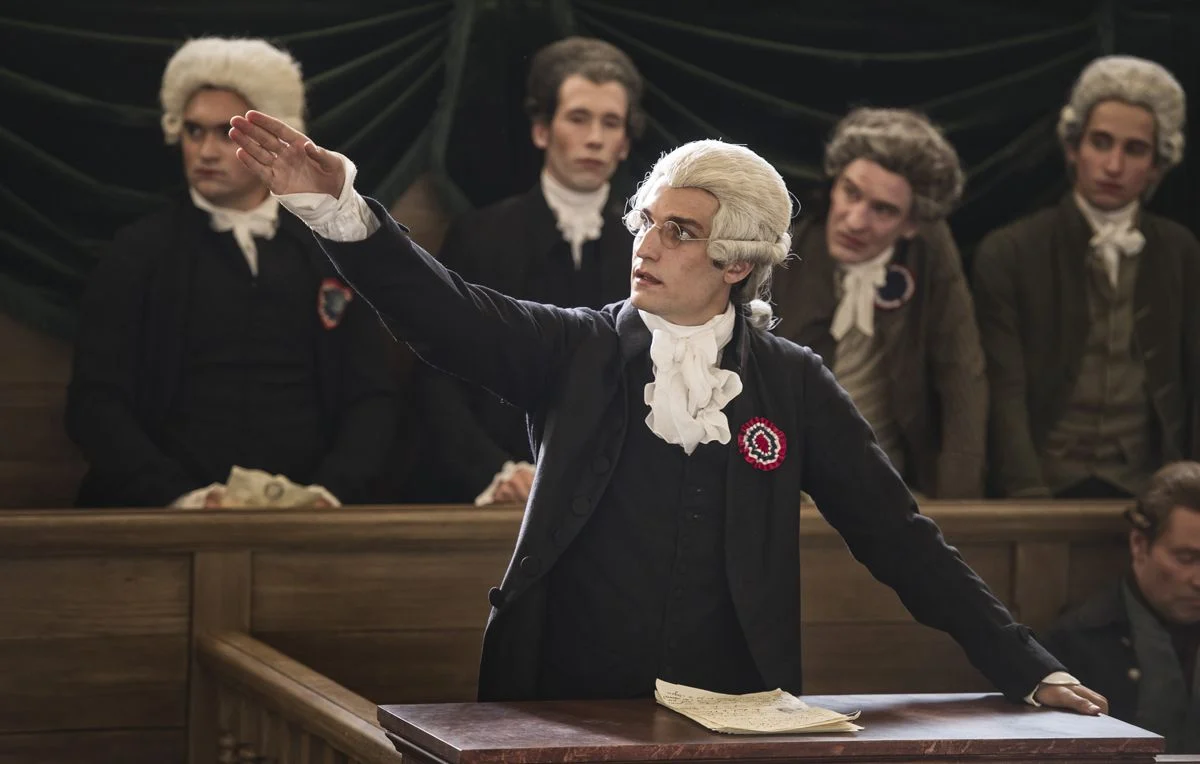
Voltaire experienced this directly. He was imprisoned in the Bastille for his critical writings.
In the Calas affair of 1762, he also defended a Protestant man who had been wrongly condemned and executed amid religious intolerance. By exposing this injustice, Voltaire showed how dangerous — yet essential — it could be to challenge the established order.
Rousseau, in The Social Contract, famously wrote:
“Man is born free, and everywhere he is in chains.”
His idea is both profound and simple: human beings are born free, but social structures, rules, and systems of domination can gradually imprison them in conditions they did not choose.
In other words, one can live without visible chains while still being trapped within a social system.
These ideas did not circulate freely. Some texts were banned, spread clandestinely, or printed abroad.
Thinking for oneself was therefore not merely an opinion, but a genuine risk.
This period reminds us that power does not control only through force.
It also acts through beliefs, norms, and ideas.
The Third Estate: Living Without Security
The Third Estate represented around 97% of the population. Its members lived very different lives, but they shared one defining reality: the absence of privilege.
To understand this, one must imagine a concrete life.
A peasant worked year-round, dependent on weather, harvests, and seasons. A single bad year could bring ruin. Taxes had to be paid to the State, the Church, and the lord.
There was no real protection in times of hardship. No meaningful political power. No voice in decisions that shaped daily existence.
Life was fragile and could collapse at any moment.
This reveals an essential lesson: when an overwhelming majority bears the burden of a system without real power, social balance becomes deeply fragile.
A Crisis That Pushes the Nation to the Brink
By the late 1780s, the situation had become critical.
France was heavily in debt. Wars had been costly, particularly support for the American War of Independence. Meanwhile, the royal court at Versailles continued to live in immense luxury.
At the same time, the tax system functioned poorly. Those with the most wealth often enjoyed advantages, while those with the least carried much of the burden.
The result was simple: the State lacked money, the people suffered, and solutions seemed blocked.
A deep social malaise was gradually transforming into political crisis.
The Enlightenment: Understanding and Questioning
In this context emerged the intellectual movement known as the Enlightenment.
Thinkers sought to understand the world differently, using reason rather than tradition or unquestioned authority.
Montesquieu argued that power must be limited to prevent abuse. Rousseau insisted that sovereignty belonged to the people. Voltaire denounced injustice and intolerance.
These ideas did not immediately create revolution.
But they gave individuals the intellectual tools to understand what they were experiencing.
They transformed discomfort into political consciousness.
Any unequal system becomes vulnerable when those who suffer under it begin to rethink their condition.
The Estates-General: The Beginning of Conflict
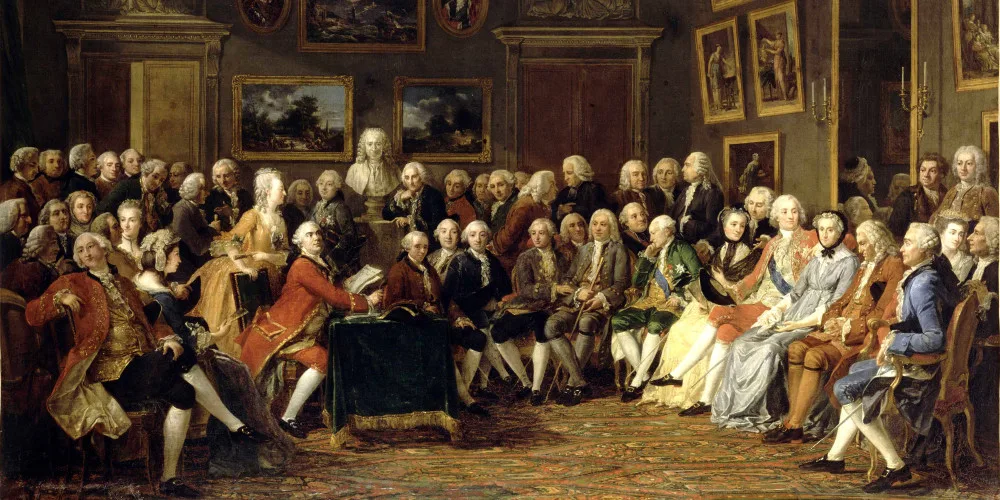
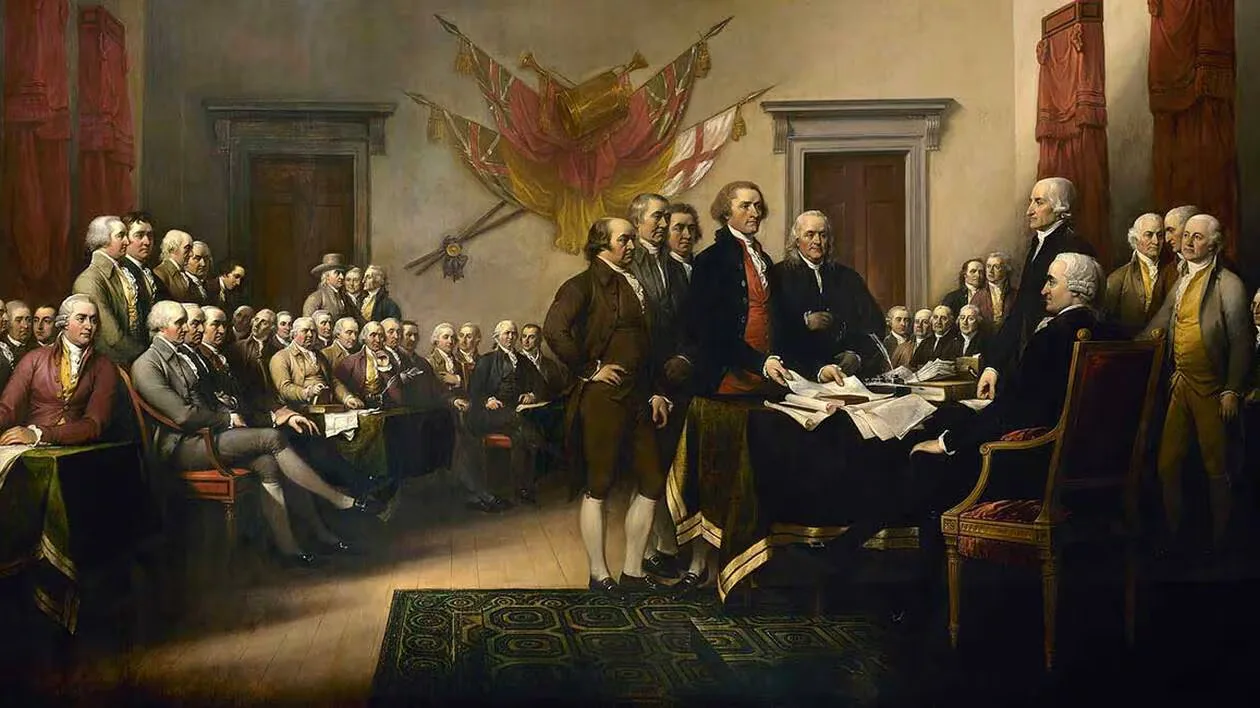
Faced with crisis, the king convened the Estates-General in 1789. This assembly brought together representatives of the three estates.
Very quickly, a major problem emerged, and it was not merely a debate of ideas, but a direct struggle over power.
Traditionally, voting was conducted by estate. Each order had one vote. This allowed the nobility and clergy to unite and impose decisions, even though the Third Estate represented the overwhelming majority.
The Third Estate demanded a fundamental change: voting by head, meaning that each deputy would vote individually.
Behind this seemingly technical demand lay a major political transformation.
Accepting it would mean recognizing that the majority of the nation deserved genuine political weight.
Rejecting it meant preserving a system where privilege continued to block the sharing of power.
The Turning Point: “We Represent the Nation”
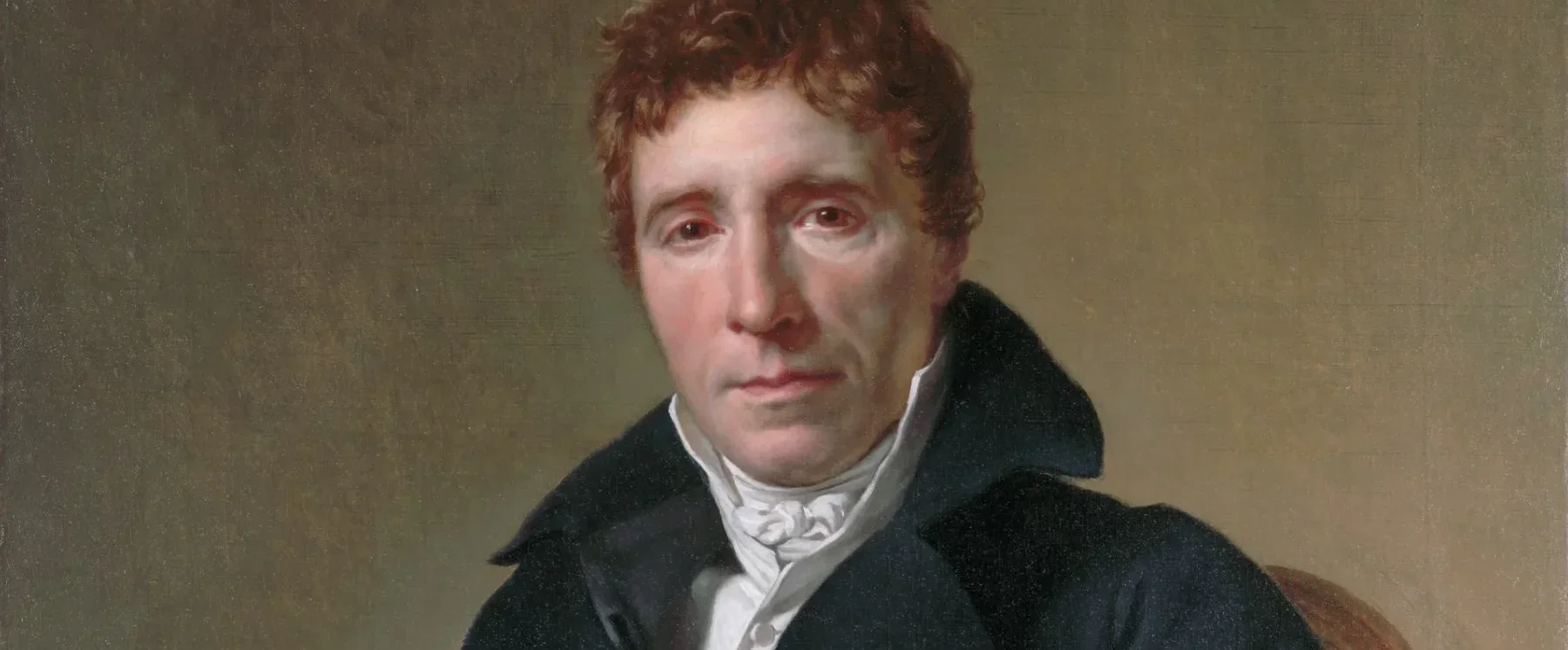
Among the major figures of this moment, Emmanuel Sieyès wrote:
“What is the Third Estate? Everything. What has it been until now? Nothing. What does it ask to be? Something.”
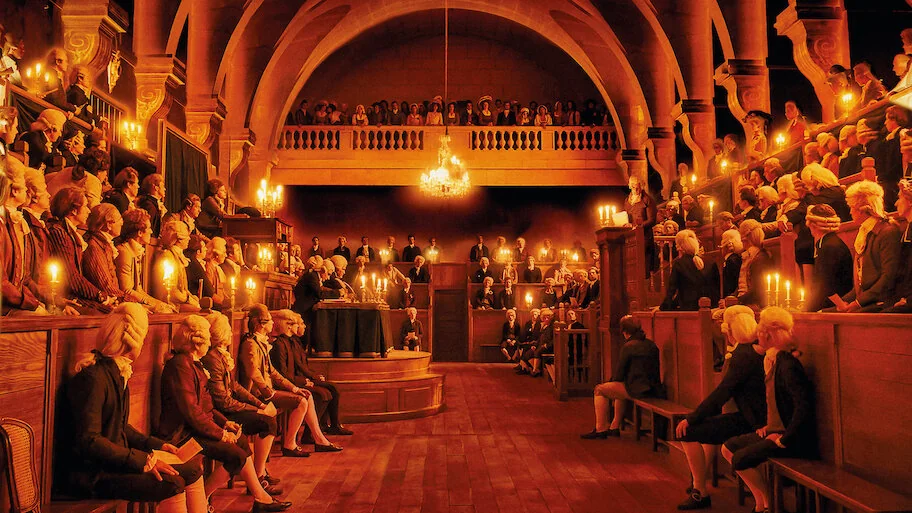
On June 17, 1789, the representatives of the Third Estate declared themselves the true representatives of the nation.
This was a decisive moment, for the first time power was no longer seen as belonging solely to the king, but was beginning to shift toward the people.
Political systems depend not only on institutions, but also on collective beliefs — and when those beliefs change, entire worlds can shift.
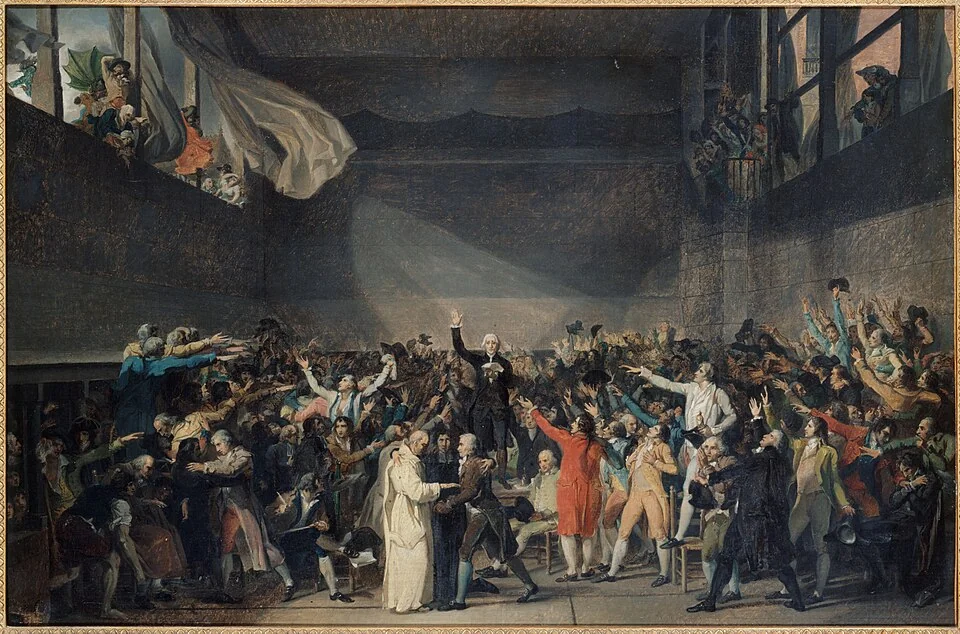
The Tennis Court Oath
A few days later, the representatives found their meeting hall closed.
They understood they were being prevented from acting.
They gathered instead in a tennis court and swore not to separate until a Constitution had been written.
A Constitution defines the rules, limits, and functioning of power.
This oath marked a profound rupture, as representatives collectively declared for the first time that power must be reorganized, limited, and redefined by national will rather than passively endured as an immutable order.
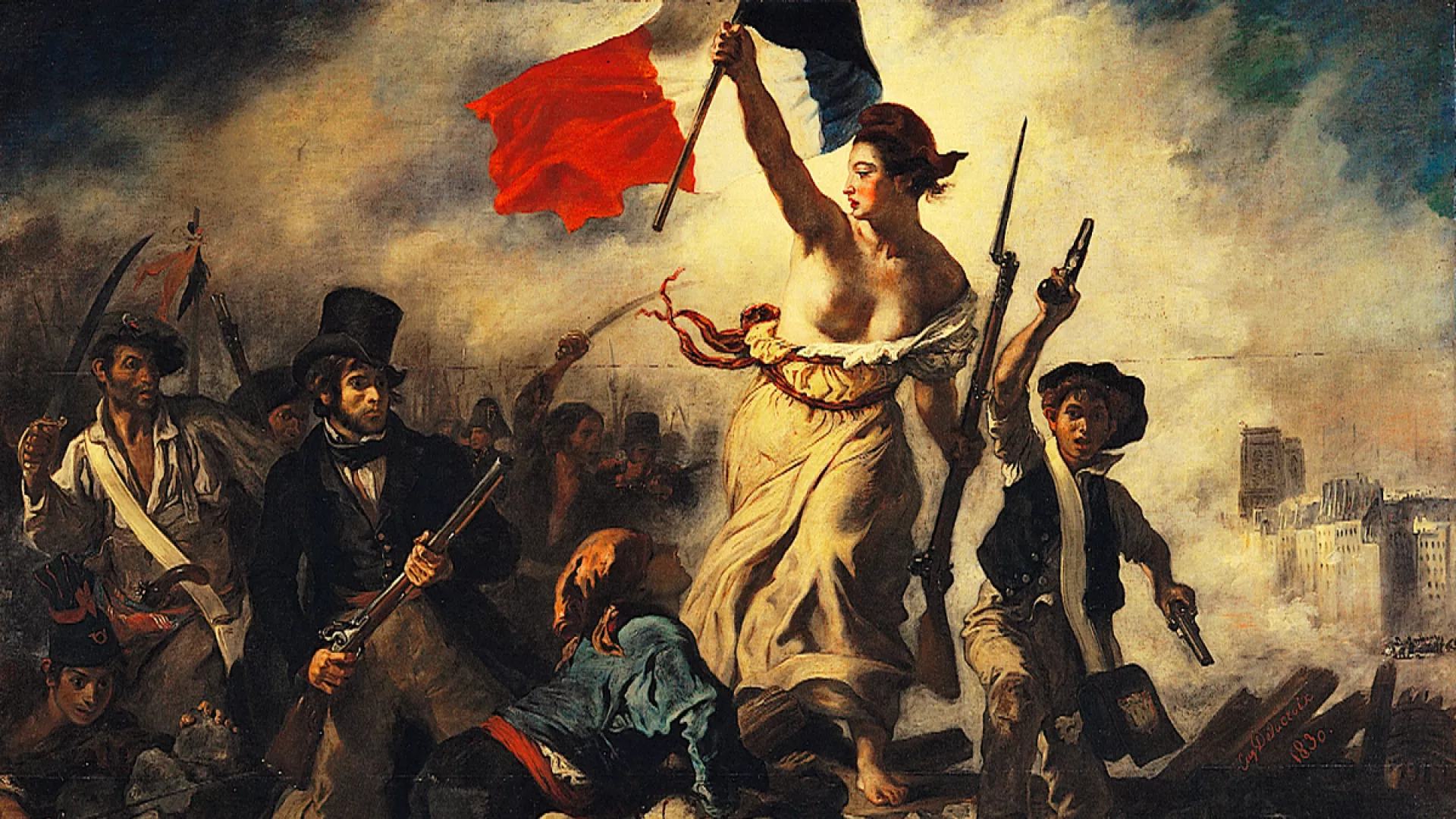
The Bastille: Fear Changes Sides
On July 14, 1789, the people stormed the Bastille.
Strictly speaking, the fortress held few prisoners. But its true importance lay elsewhere.
For years, it had symbolized royal arbitrariness: the power to imprison without trial, sometimes simply by political decision.
By seizing this prison, the people were not merely seeking weapons; they were attacking a symbol and publicly declaring that they would no longer be governed by fear alone.
The Bastille became far more than a building: it represented the psychological collapse of a power once thought untouchable.
When a people collectively cease to fear, even the most imposing structures can begin to crumble.
The Great Fear and the Women’s March on Versailles
In the countryside, the summer of 1789 was marked by intense fear.
Rumors spread: aristocratic plots, noble reprisals, organized famine.
Poorly informed yet deeply vulnerable, many peasants armed themselves, attacked châteaux, and burned feudal records that had symbolized generations of obligation and submission.
This collective fear itself became revolutionary force.
It revealed how, when people live too long in insecurity, even rumor can trigger violent rupture.
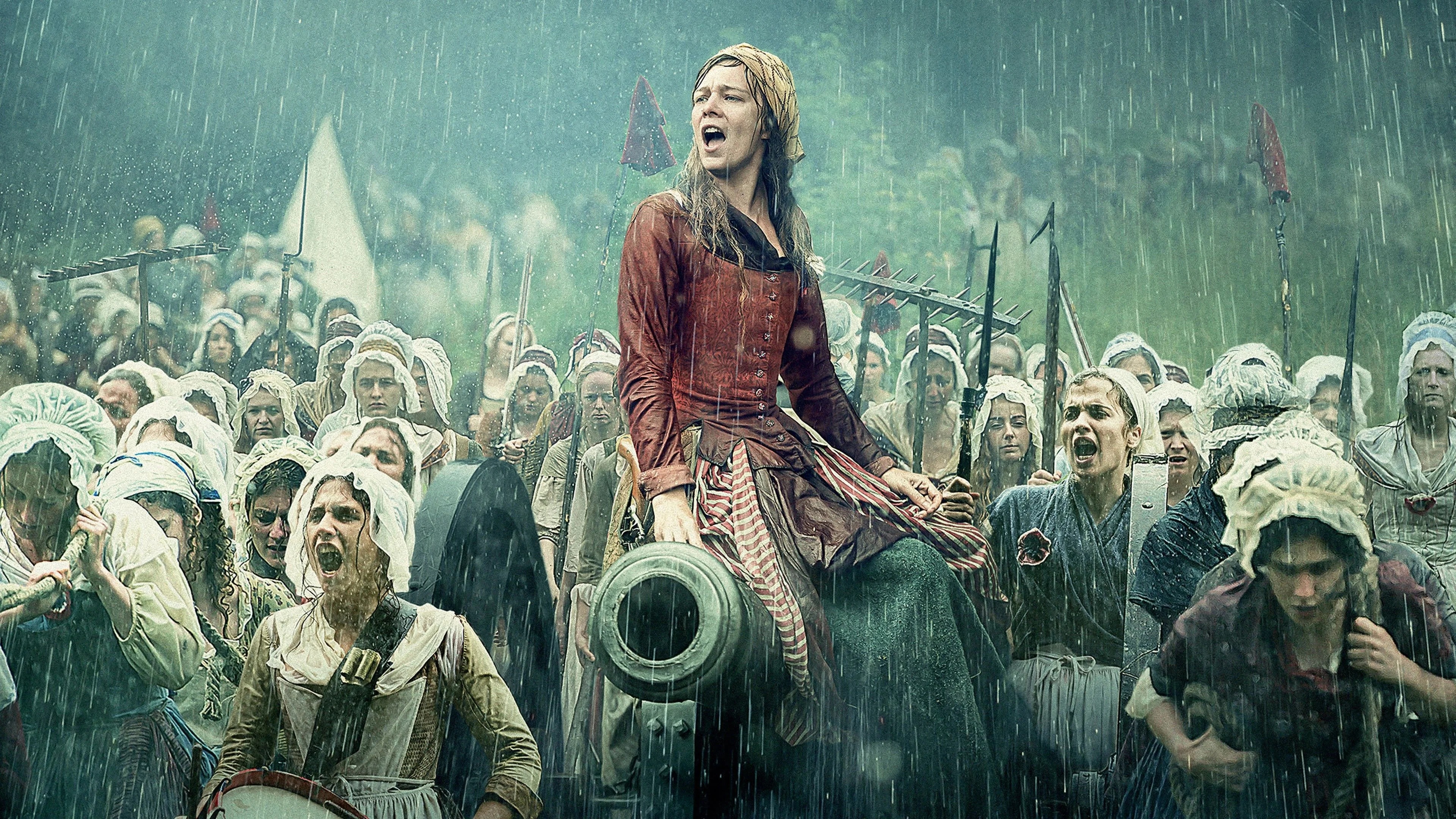
A few months later, in October 1789, thousands of Parisian women marched to Versailles.
They advanced through rain, exhausted, driven by hunger, anger, and urgency.
Bread was scarce, and the cost of survival had become unbearable.
But beneath this march was something even larger: the assertion that ordinary people — including the poorest women — could now force their presence into the center of power.
These women did not demand bread alone.
They reminded the king that ruling a people also meant answering their concrete suffering.
Their actions contributed to bringing the king back to Paris.
Versailles ceased to symbolize distant power separated from reality.
This remains one of the Revolution’s most powerful moments: history is shaped not only by abstract ideals, but also by hunger, wounded dignity, and the raw instinct for survival.
Major Advances
In the weeks that followed, several major decisions profoundly redefined French society.
Feudal privileges were abolished during the Night of August 4, 1789.
Then, the Declaration of the Rights of Man and of the Citizen established essential principles: liberty, legal equality, and national sovereignty.
For the first time, rights were formulated as universal, rather than privileges reserved for select groups.
These advances represented one of the Revolution’s most powerful aspirations: rebuilding society on fairer principles.
But they also remind us that writing rights is one step; making them endure is another.
The Break: The King’s Flight
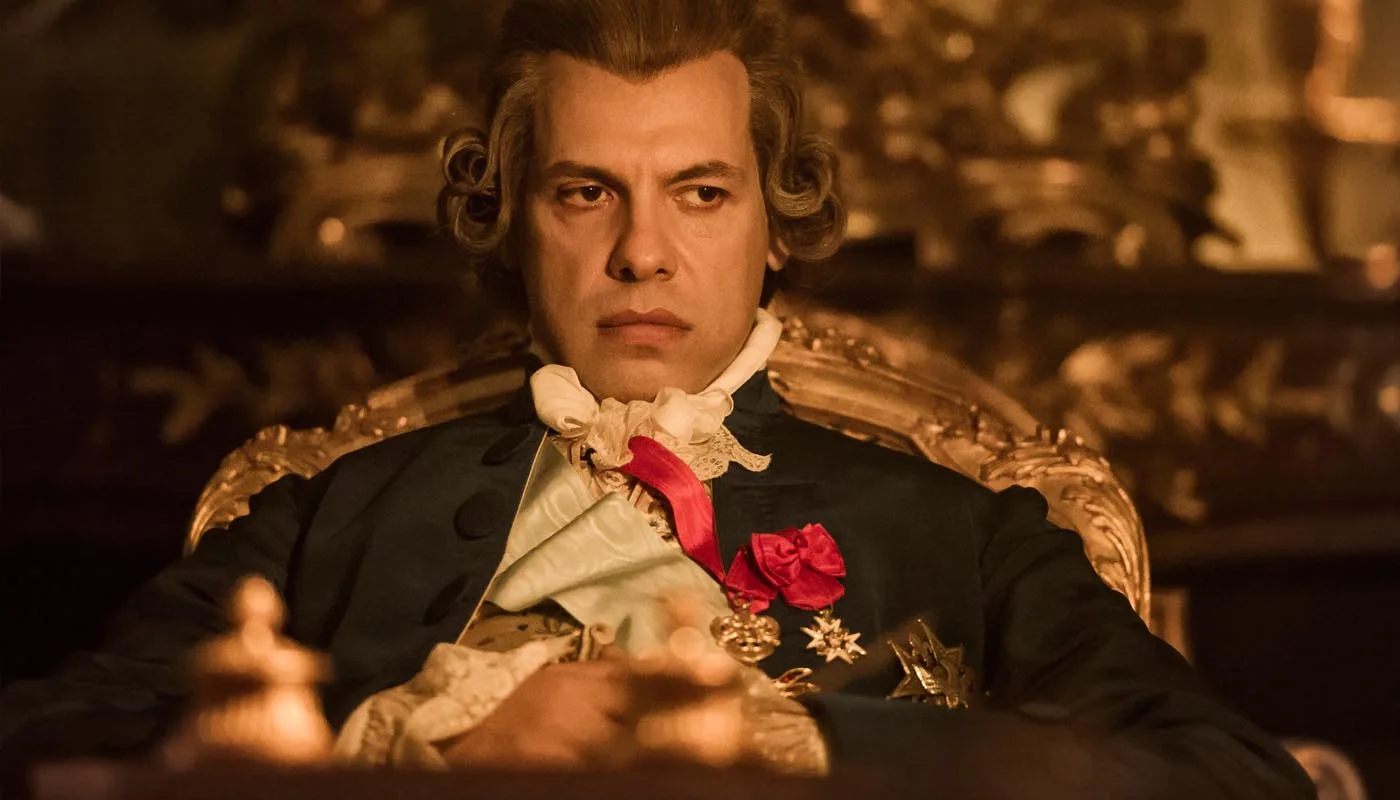
In 1791, an event profoundly shook the Revolution: Louis XVI attempted to flee with his family.
Disguised, the royal family sought to reach territory more favorable to monarchy. But the king was recognized at Varennes, notably because his portrait appeared on assignats, and he was arrested before being returned to Paris under guard.
This event was far more than a failed escape.
Until then, despite tensions, many still hoped compromise between monarchy and Revolution remained possible.
But this flight created a major psychological rupture.
The king, once meant to embody national stability, increasingly appeared as a man willing to abandon his nation rather than accept its transformation.
Trust shattered.
This revealed a deeper truth about power: it depends not only on institutions, but on collective belief in the loyalty of those who govern.
When that belief collapses, legitimacy itself begins to die.
The Flight to Varennes thus marked not merely a personal failure, but the moral collapse of monarchy within the revolutionary imagination.
The Republic: When Liberty Enters More Dangerous Territory
After the fall of monarchy, the Revolution entered a far more radical phase.
The king was no longer merely contested.
He became a central political problem.
Following his attempted escape, compromising evidence, and rising tensions, Louis XVI increasingly appeared as a direct threat to the Revolution’s survival.
On January 21, 1793, he was led to the guillotine in the Place de la Révolution.
In a heavy atmosphere before an immense crowd, Louis XVI mounted the scaffold.
With the fall of the blade, it was not merely a man who died, but an entire ancient order, built upon the sacred nature of monarchy, that symbolically collapsed before the people’s eyes.
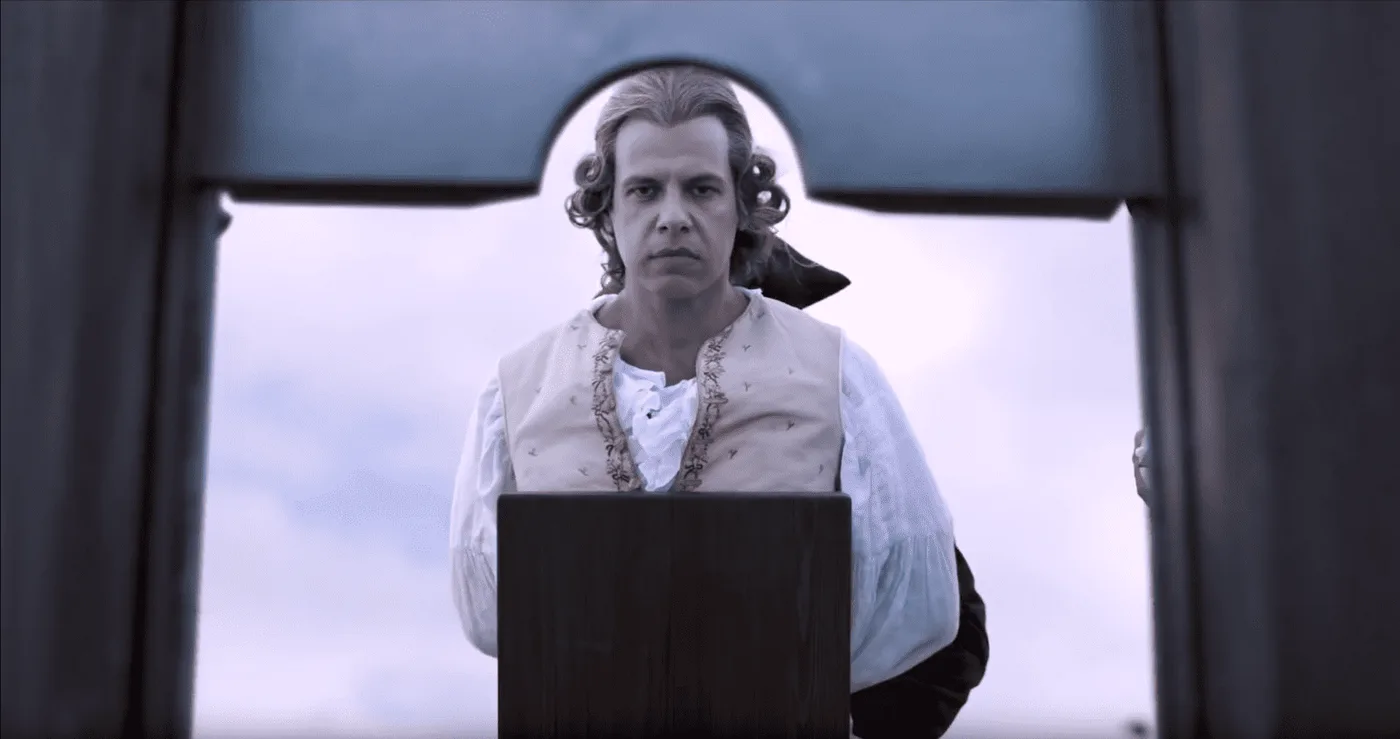
For the first time, the nation asserted that a king could be judged like an ordinary citizen.
This was a profound civilizational rupture: political, moral, and psychological.
But this victory also opened a period of immense instability.
France now faced hostile monarchies abroad, internal revolts, economic fragility, and growing fear of betrayal.
Winning liberty is one challenge.
Preserving it amid chaos is often far more difficult.
The Terror: When Revolution Becomes a Victim of Its Own Logic
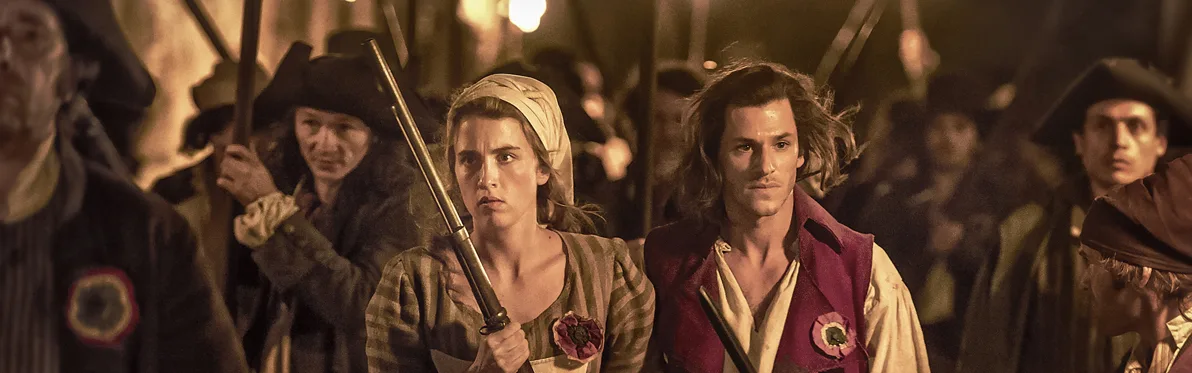
The young Republic was threatened on all sides: foreign wars, internal revolts, famine, economic crisis, and constant fear of conspiracy.
In this context, many revolutionaries believed that saving the Revolution justified extraordinary measures.
Robespierre emerged as one of this era’s central figures.
He did not see himself as a tyrant, but rather as a sincere defender of the Revolution who believed he was protecting the Republic, equality, and liberty, which is precisely what makes his trajectory so unsettling.
A man convinced he serves justice can, under certain circumstances, come to justify extreme violence in its name.
He declared:
“Virtue without terror is powerless.”
This phrase captures one of political history’s greatest dangers: when power becomes convinced it fully embodies truth or virtue, opposition itself can become something to eliminate.
Revolutionary tribunals accelerated condemnations.
The guillotine operated relentlessly.
Between 1793 and 1794, tens of thousands died in the context of the Terror and revolutionary repression, through official executions, massacres, and civil violence.
In the Vendée especially, civil war produced immense brutality, reminding us that political ideals can also generate massive human tragedy.
This period reveals a deeply troubling truth: power never fully disappears, but instead changes form, and when left without limits, even in the name of justice, it can once again become oppressive.
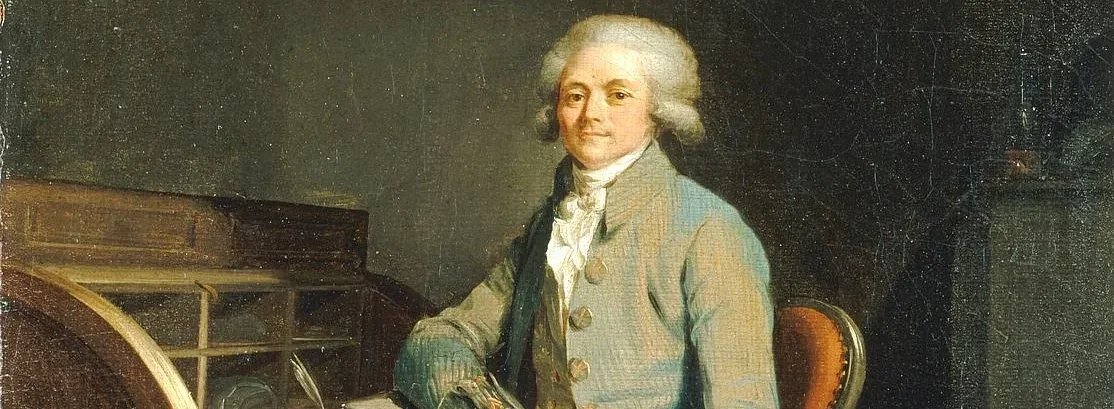
The Fall of Robespierre: Revolution Devours Its Own Children
As executions multiplied, including among former revolutionary allies, many deputies realized that they too could become suspects.
The fear they had helped create gradually turned against its own architects.
Increasingly isolated, Robespierre came to be seen as a threat even by parts of the revolutionary government.
On July 27, 1794, he was arrested.
The following day, he too was executed.
His fall symbolized far more than personal defeat, as it marked the exhaustion of a Revolution that had become too violent even for its own actors.
It also reminds us of a profound political truth: when a system functions too long through fear, permanent elimination, and ideological purity, it often undermines its own survival.
This moment serves as a brutal reminder: even the most powerful ideals require limits, or they risk reproducing the very mechanisms they sought to abolish.
Today: A Living Legacy
The French Revolution is not merely a major historical event.
It remains an essential part of France’s political, moral, and national identity.
For many, understanding this period helps explain what it means to be French: a deep relationship to liberty, equality, resistance to arbitrary power, and the conviction that fundamental rights must sometimes be defended through immense struggle.
Through this history, one better understands why French political culture remains so deeply shaped by vigilance against injustice, the centrality of public debate, the symbolic power of the Republic, attachment to secularism, equality, and the enduring reflex of protest.
The Revolution helped shape a nation in which liberty is not merely an abstract idea, but a historical inheritance deeply embedded in collective memory.
History does not simply transmit facts.
It shapes collective sensibilities, political instincts, and ways of understanding human dignity.
To understand the French Revolution is also to better understand why France maintains such a unique relationship with the very idea of political emancipation.
Conclusion
The French Revolution is not merely the story of a people overthrowing an unjust order.
It is also the story of an immense aspiration toward greater liberty, justice, and human dignity.
It reveals what human beings are capable of when they refuse inequality for too long, but it also shows how even the noblest ideals can drift when fear, extremism, or the absence of limits take hold.
This tension is precisely what makes its legacy so powerful.
The Revolution reveals humanity at its best: its ability to resist oppression.
But it also reveals humanity’s fragilities: the temptation to reproduce, under new forms, what it once sought to destroy.
Perhaps this is one of its deepest lessons: a free society depends not only on political victories, but on its ability to preserve its principles without allowing them to become certainties capable of justifying injustice.
To understand the French Revolution is also to better understand an essential part of the French political soul: a visceral attachment to liberty, vigilance against injustice, and the profound awareness that hard-won rights may always need defending.
History reminds us that liberty is never won once and for all, but must be continually protected, even from those who claim to act in its name.